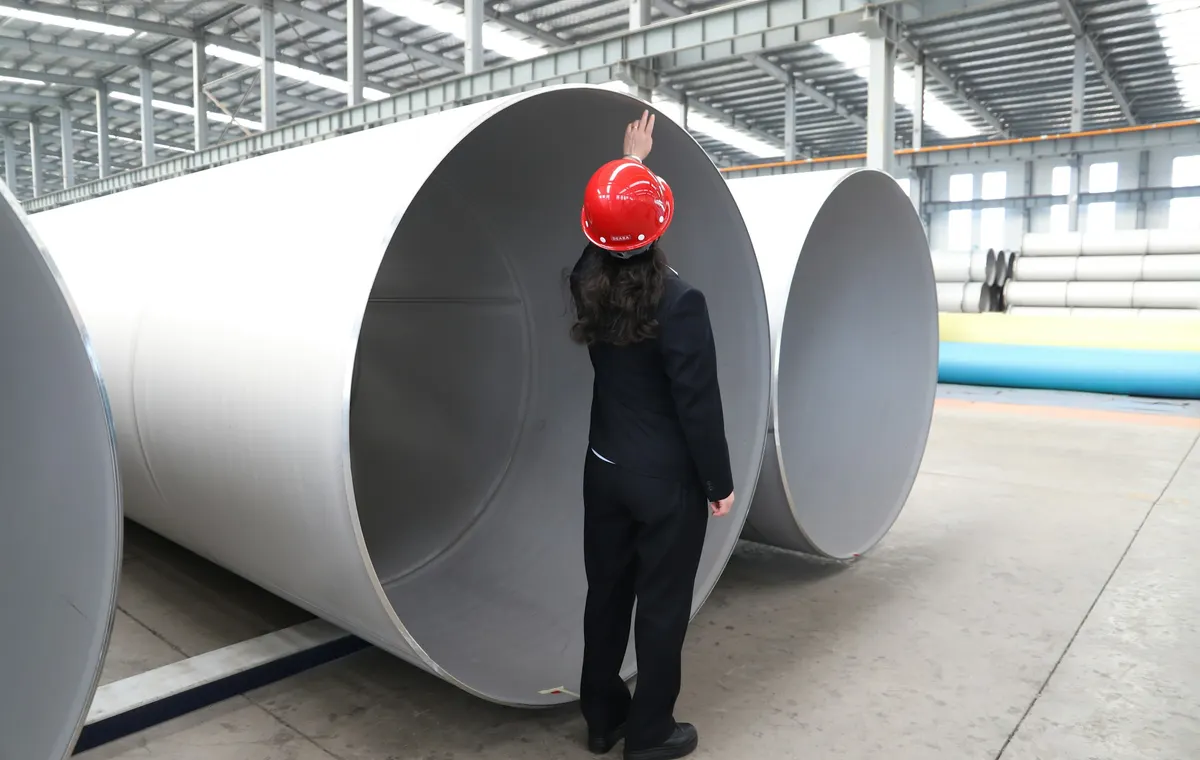
Supplier fit
Start with the right supplier set.
Category scope, response quality, MOQ, lead time, and execution risk are checked before buyers compare prices.


CertiSpares helps aftermarket buyers source commercial vehicle parts from China through supplier comparison, QC checkpoints, and multi-supplier container consolidation.




Supplier fit
Category scope, response quality, MOQ, lead time, and execution risk are checked before buyers compare prices.

Part confirmation
OE references, VIN or chassis details, dimensions, samples, photos, and platform notes reduce wrong-item risk.
QC and packing
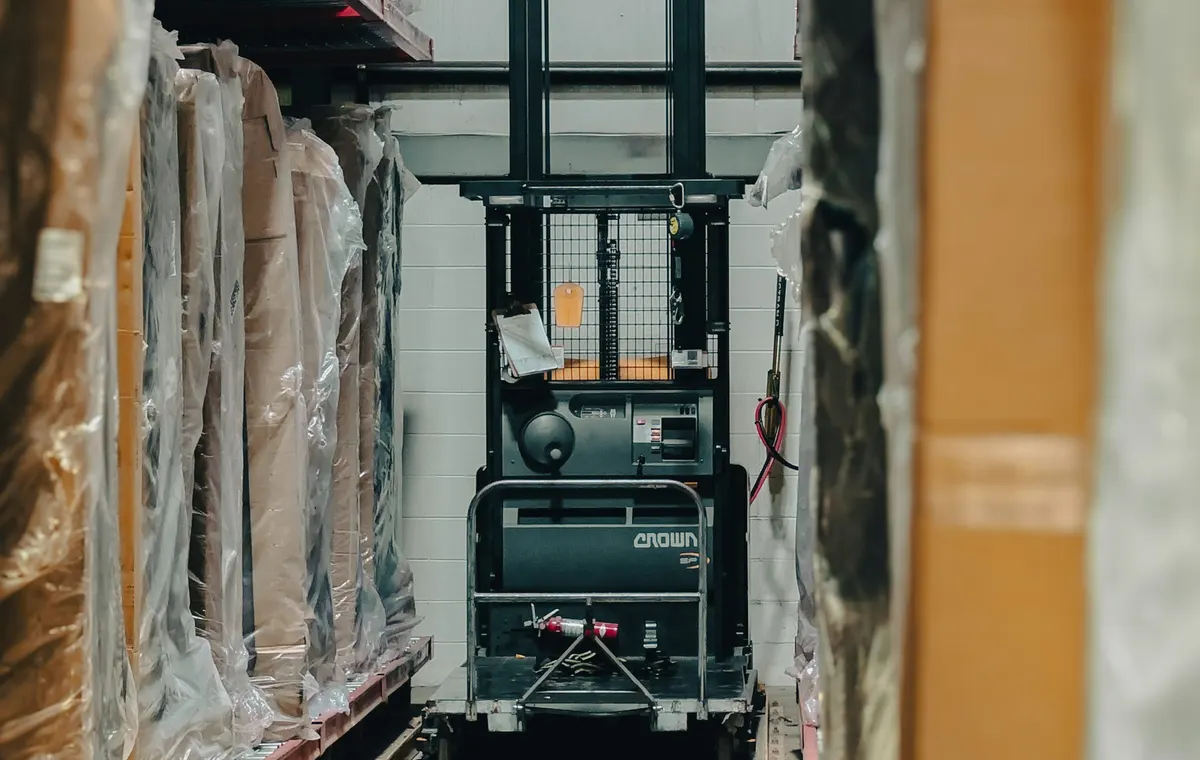
Sampling, carton labels, packing standards, document review, and pre-shipment checks keep execution visible.

Shipment planning
Multi-supplier consolidation protects freight efficiency without forcing buyers to overstock one narrow product line.

One container can combine multiple required products from multiple suppliers, helping buyers avoid shipping partially optimized orders and reducing the logistics cost carried by each SKU.
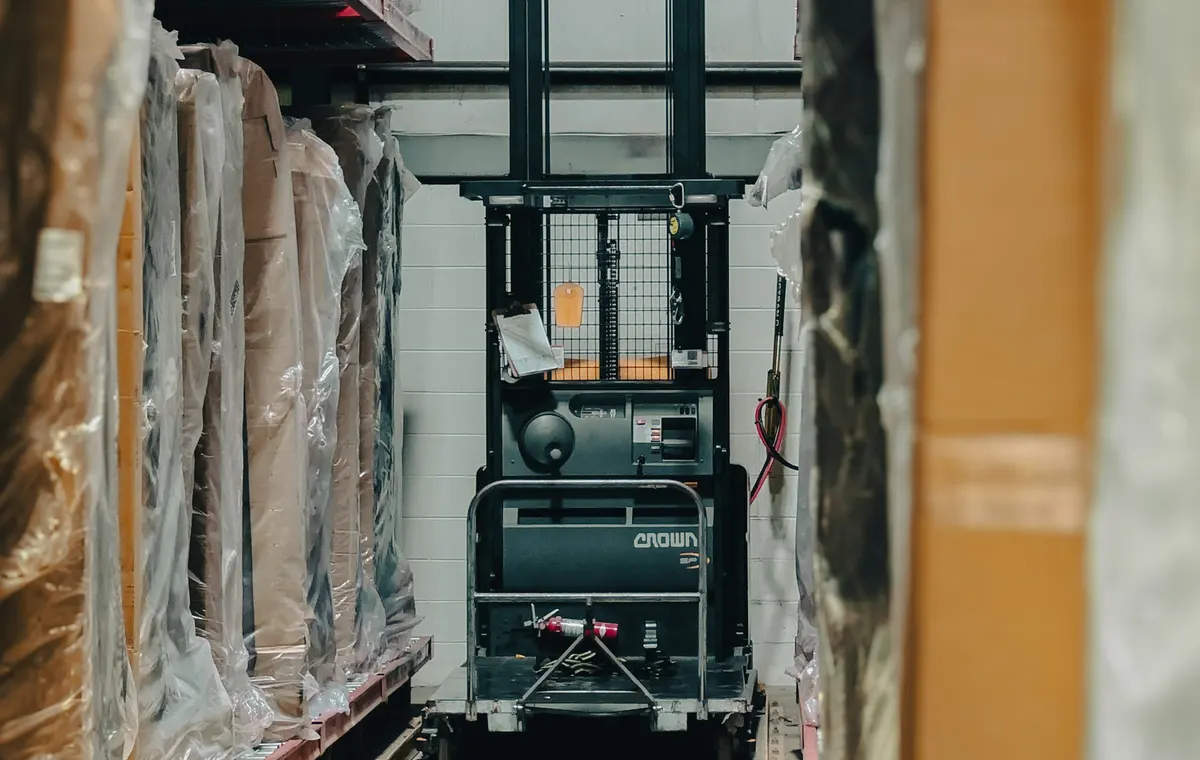
Instead of buying too deep into one product line just to fill a container, buyers can build a healthier stock mix across fast-moving and supporting items that fit real market demand.
Send part lists, OE numbers, photos, quantities, destination, or vehicle details.
We check references, fitment notes, specifications, samples, and quotation scope.
Options are compared by price, MOQ, lead time, category fit, and risk.
Samples, packing, labels, documents, and QC details are controlled before shipment.
Mixed SKUs and suppliers are coordinated into repeatable, cost-aware shipments.
Organize mixed truck maintenance-parts RFQs with clear line data, references, quantities, packing requirements, and quotation controls.
Read →Prepare clearer RFQs for commercial-vehicle air-system maintenance parts, including air dryer cartridges, valves, fittings, seals, and repair-kit scope.
Read →Use a practical RFQ checklist for truck bushings and rubber-metal parts, including dimensions, sleeve details, installed position, photos, quantity, and kit scope.
Read →